


Florida Nursing Home Psychological and Emotional Abuse Attorney
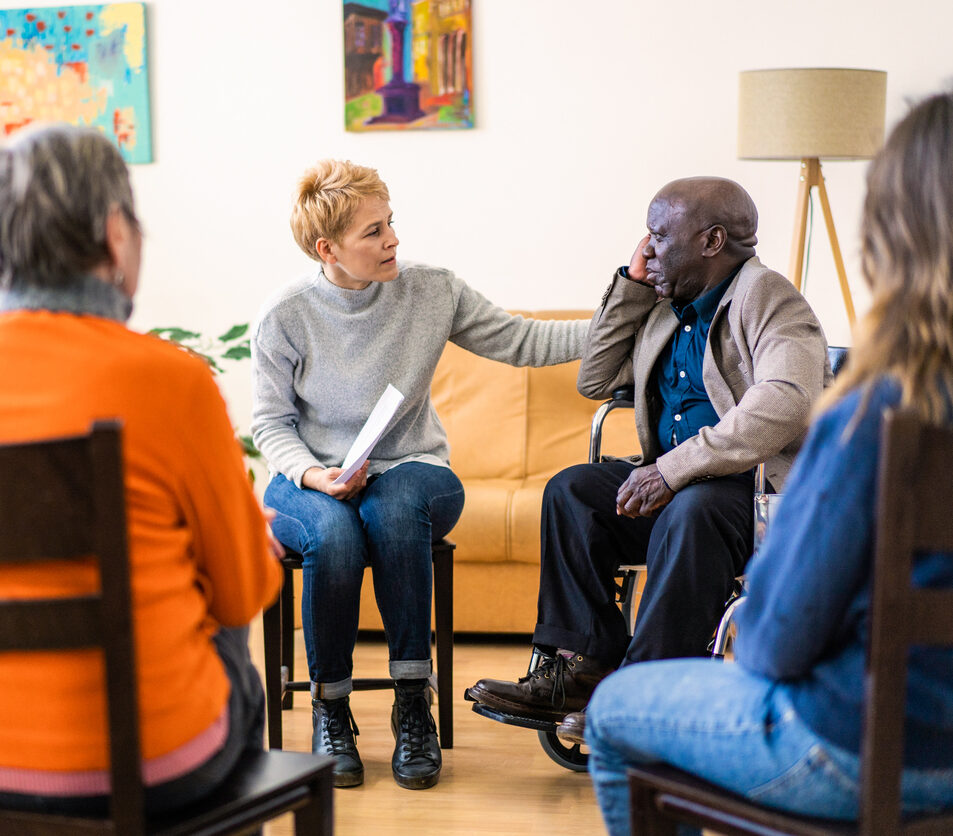
Understanding Psychological and Emotional Abuse in Florida Nursing Homes
Psychological and emotional abuse in nursing homes can be subtle, but its impact is often severe and long-lasting. Unlike physical abuse, it may not leave visible injuries — yet it can deeply affect a resident’s mental health, sense of safety, and overall well-being.
What Emotional Abuse Looks Like in Nursing Homes
Emotional abuse involves behaviors that cause distress, fear, or humiliation. This can include verbal intimidation, yelling, threats, insults, or degrading language directed at residents. It may also involve isolating a resident from others, ignoring their requests for help, or manipulating them through fear or control.
In some cases, staff may intentionally withhold social interaction or use tone and body language to belittle or intimidate vulnerable residents.
Why Emotional Abuse Is Harder to Detect
This form of nursing home neglect is often overlooked because it does not leave physical evidence. Residents may be unable or unwilling to report what is happening due to fear of retaliation, cognitive impairments, or communication challenges.
Family members might only notice subtle behavioral changes, which can be mistaken for normal aging or medical decline. As a result, emotional abuse frequently goes unreported and unaddressed.
The Serious Impact on Residents’ Health
The effects of emotional abuse can be profound. Residents may develop anxiety, depression, or sudden mood changes. Some become withdrawn, fearful, or reluctant to speak in the presence of certain caregivers.
Emotional distress can also contribute to physical decline, including sleep disruption, loss of appetite, and worsening medical conditions. Over time, the damage can significantly reduce a resident’s quality of life.
Why Early Recognition and Legal Process Support Matter
Recognizing the signs early is critical to protecting your loved one. If something feels wrong, it is important to act quickly. A Florida nursing home psychological and emotional abuse lawyer at Daily, Montfort, & Toups can help investigate concerns, protect the resident from further harm, and hold negligent facilities accountable.
Early intervention by our nursing home abuse lawyer not only safeguards your loved one’s dignity and safety but also helps prevent continued mistreatment.
Common Signs and Symptoms of Nursing Home Psychological Abuse
Psychological abuse in nursing homes often reveals itself through changes in behavior, mood, and overall health. Because it can be subtle, families should pay close attention to patterns that feel out of character for their loved one.
Behavioral and Emotional Warning Signs
Residents experiencing emotional abuse may show sudden personality changes or unusual fear around certain caregivers. You might notice increased anxiety, excessive crying, confusion, agitation, or withdrawal from social activities.
Some residents become unusually quiet or reluctant to speak in the presence of staff, while others may appear distressed without a clear explanation. These shifts are often the earliest indicators that something is wrong.
Physical and Health-Related Indicators
Although psychological abuse does not involve direct physical harm, it can still lead to noticeable physical decline. Signs may include poor hygiene, unexplained weight loss, refusal to eat, or disrupted sleep patterns. In some cases, residents may show regression in cognitive abilities or worsening symptoms of existing conditions due to ongoing stress and emotional distress.
Why Victims Often Remain Silent
Many nursing home residents do not report emotional abuse. Fear of retaliation, dependence on caregivers, or manipulation by staff can prevent them from speaking openly. Residents with memory issues or communication challenges may struggle to explain what is happening, while others may feel ashamed or believe their concerns will not be taken seriously.
How Families Can Document and Support a Claim
Families play a critical role in identifying and documenting abuse. Keep detailed notes of behavioral changes, dates, and interactions with staff. Save emails, messages, and any written complaints. Photographs, medical evaluations, and witness statements can also strengthen a case.
This documentation helps an attorney identify patterns, establish timelines, and build a clear claim to protect your loved one and hold the facility accountable.
Florida Laws Protecting Nursing Home Residents from Emotional and Psychological Abuse
Florida and federal laws require nursing homes to provide not only physical care, but also an environment that protects each resident’s dignity, emotional well-being, and personal rights. These protections are designed to prevent mistreatment and ensure accountability when abuse occurs.
Federal and State Protections for Resident Well-Being
Under federal regulations, including the Nursing Home Reform Act, facilities that receive Medicare or Medicaid funding must maintain a standard of care that promotes residents’ mental and emotional health. This includes treating residents with respect, preventing abuse, and addressing any form of neglect or mistreatment.
Florida law reinforces these protections through statutes and the Nursing Home Residents’ Bill of Rights, which requires facilities to provide care that supports dignity, privacy, and quality of life.
Residents’ Rights Under Florida Law
Residents in Florida nursing homes have the right to be free from mental, verbal, and psychological abuse. This includes protection from threats, intimidation, humiliation, and isolation. Facilities must also ensure residents can communicate freely, participate in activities, and live without fear of retaliation for raising concerns or complaints.
Oversight and Enforcement by State Agencies
The Agency for Health Care Administration (AHCA) is responsible for licensing and regulating nursing homes in Florida. It conducts inspections, investigates complaints, and enforces compliance with state standards. Adult Protective Services (APS) also plays a key role by responding to reports of abuse, neglect, or exploitation involving vulnerable adults and coordinating protective interventions when necessary.
Holding Facilities Accountable
When a nursing home violates these legal obligations, families have the right to pursue action. A Florida nursing home psychological and emotional abuse attorney helps identify violations, gather evidence, and hold facilities responsible for failing to protect residents. Legal action not only seeks compensation for the harm caused but also promotes safer conditions and accountability within the long-term care system.
Filing a Claim for Psychological Abuse in a Florida Nursing Home
Taking action after discovering possible emotional abuse can feel overwhelming, but clear steps can protect your loved one and strengthen a potential claim. Acting quickly also helps preserve evidence that may otherwise be lost.

Steps to Take When Abuse Is Suspected
Start by ensuring your loved one’s immediate safety. If necessary, request a transfer or increased supervision. Report concerns to facility management and appropriate state agencies, such as the Florida Abuse Hotline or the Agency for Health Care Administration (AHCA).
Document everything. Keep notes on behavioral changes, incident dates, names of staff involved, and any concerning interactions. Photographs, written complaints, and communication records can be valuable. Families should also speak with other residents or staff who may have witnessed the behavior.
A medical and psychological evaluation is critical to your case. Licensed professionals can assess emotional harm, document symptoms like anxiety or depression, and provide reports that may serve as key evidence.
When a Civil Lawsuit May Be Filed
A civil claim may be appropriate when a nursing home’s actions — or failure to act — result in emotional harm. This includes situations involving staff misconduct, neglect, inadequate supervision, or systemic issues within the facility. Lawsuits can be brought against individual caregivers and the nursing home itself for failing to maintain a safe environment.
Types of Compensation Available
Families may pursue compensation for therapy and counseling costs, emotional distress, and pain and suffering. Additional damages may include the cost of relocating to a safer facility and compensation for a diminished quality of life. In cases involving egregious misconduct, punitive damages may also be available to hold the facility accountable.
Building a Strong Legal Case
A Florida nursing home psychological and emotional abuse lawyer develops these claims through detailed investigation and expert support. This includes reviewing facility records, analyzing staffing patterns, consulting medical and mental health professionals, and identifying patterns of neglect or misconduct.
By building a comprehensive case, an attorney helps families pursue accountability while protecting their loved one’s dignity and well-being.
How a Florida Nursing Home Psychological Abuse Attorney Helps Your Family
When emotional abuse is suspected, taking the right steps early can protect your loved one and preserve critical evidence. A Florida nursing home psychological abuse attorney plays a central role in uncovering what happened and guiding your family forward.
Thorough Investigation and Evidence Gathering
A skilled nursing home emotional abuse attorney conducts a detailed investigation to identify patterns of mistreatment and facility failures. This may include interviewing staff and witnesses, reviewing care plans and daily logs, analyzing incident reports, and obtaining internal facility records.
Psychological evaluations and medical records are carefully examined to connect behavioral changes to possible abuse. When needed, outside experts are consulted to assess emotional harm and standards of care.
Protecting Your Loved One from Further Harm
Safety comes first. A Florida nursing home abuse attorney can take immediate steps to reduce the risk of retaliation or continued abuse, including coordinating transfers, limiting staff contact, or escalating concerns to regulators. They help ensure the facility complies with reporting requirements and that your loved one’s rights are actively protected during the process.
Guidance Through Reporting and Care Coordination
Families often feel overwhelmed navigating state agencies, complaints, and medical needs. An attorney helps file reports with the appropriate authorities, communicates with administrators, and coordinates with physicians, therapists, and mental health professionals. This ensures your loved one receives proper care while the situation is addressed.
Advocacy in Settlement and Litigation
Whether resolving a claim through negotiation or pursuing litigation, an attorney builds a strong case focused on accountability. They handle communications, present evidence, and advocate for fair compensation related to emotional harm, therapy needs, and other damages — while keeping your family informed every step of the way.
Why Choose Daily, Monfort & Toups for Psychological Nursing Home Abuse Cases
When emotional abuse affects someone you love, you need a legal team that understands both the law and the human impact. Daily, Montfort & Toups brings extensive experience handling Florida nursing home abuse claims, including complex cases involving psychological harm, neglect, and resident-rights violations.
- Focused experience in elder law and nursing home litigation
The firm handles cases involving emotional abuse, sexual abuse, facility negligence, and violations of Florida’s resident protections, building strong claims supported by clear evidence. - A compassionate, client-centered approach
Families facing emotional or psychological abuse often feel overwhelmed and uncertain. The team prioritizes clear communication, careful listening, and steady guidance at every stage. - Broad legal insight across related areas
With knowledge spanning estate planning, elder law, and tax matters, the firm helps families address overlapping legal concerns that often arise in long-term care situations. - A commitment to accountability and dignity
Our psychological nursing home abuse law firm pursues elder abuse claims, intending to hold negligent facilities responsible while helping protect your loved one’s safety, rights, and well-being.
If you suspect emotional abuse in a Florida nursing home, taking legal action now can make a meaningful difference. Contact our Florida nursing home psychological and emotional abuse lawyers now for a free consultation.
Frequently Asked Questions
How can I tell if my loved one is experiencing emotional abuse in a nursing home?
Warning signs include sudden withdrawal, depression, fear of certain staff members, changes in sleep or appetite, or unusual anxiety. Verbal aggression, humiliation, or isolation may also indicate emotional abuse.
Who can be held liable for psychological abuse in a Florida nursing home?
Liability may extend to individual caregivers, supervisors, facility administrators, and the nursing home itself—especially if abuse stems from negligent hiring, training, or supervision.
What Florida laws protect nursing home residents from emotional or mental abuse?
Florida law, including the Florida Nursing Home Residents’ Bill of Rights, protects residents from mental and emotional harm. Federal protections under the Nursing Home Reform Act also apply.
Can emotional abuse occur without physical abuse?
Yes. Emotional abuse often occurs independently and may involve verbal threats, intimidation, isolation, or degrading treatment without any physical contact.
How do I report suspected psychological abuse in a Florida nursing home?
You can report concerns to the Florida Abuse Hotline, the Agency for Health Care Administration (AHCA), or local law enforcement if there is immediate danger.
What evidence can help prove psychological abuse in a lawsuit?
Evidence may include medical and psychological evaluations, witness statements, staff records, incident reports, facility complaints, and documented behavioral changes.
Can a resident testify if they struggle with memory issues or dementia?
Yes. Courts may allow testimony depending on the resident’s capacity. Medical experts, family observations, and documented patterns can also support the claim.
What compensation is available in a Florida nursing home emotional abuse claim?
Compensation may include damages for emotional distress, mental suffering, medical or therapy costs, and, in some cases, punitive damages.
Is emotional abuse common in Florida nursing homes?
While exact numbers vary, emotional abuse is widely considered underreported. Many cases go unnoticed due to communication barriers or fear of retaliation.
What should I do immediately if I suspect emotional abuse?
Act quickly. Ensure your loved one’s safety, document any signs or incidents, report the abuse to appropriate authorities, and consult a qualified attorney to protect their rights.