


Nursing Home Abuse – Fall
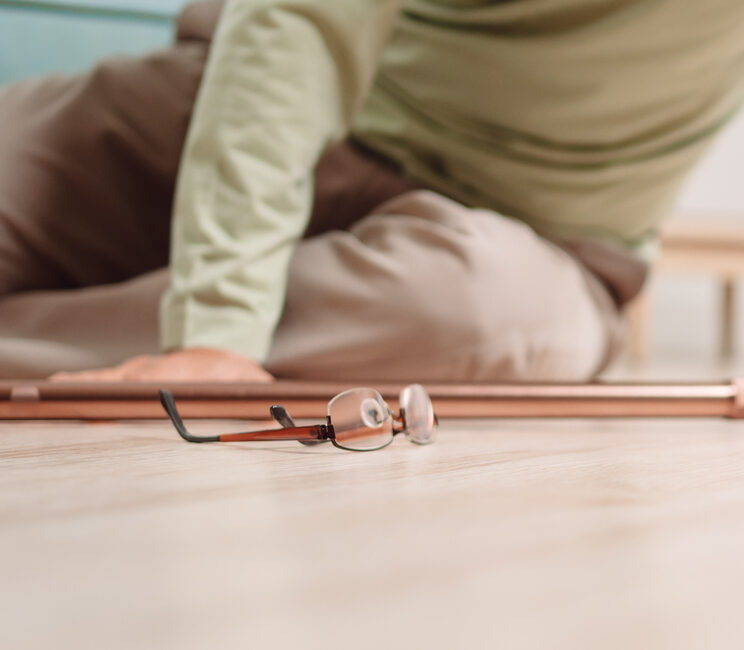
Falls in Florida nursing homes can change everything for a resident — physically, emotionally, and mentally. What is often described as an “accident” is frequently the result of preventable failures, such as inadequate supervision, poor staff training, or unsafe conditions.
At Daily, Montfort & Toups, our nursing home abuse lawyers help families uncover the causes of a fall and take action when a facility fails to protect someone in its care. Many cases involving falls constitute nursing home negligence. Falls in nursing homes shouldn’t happen, and you may be entitled to compensation in your case if negligence was involved.
How Fall Injuries Impact Nursing Home Residents in Florida
When a resident suffers a serious fall, the consequences can be immediate and lasting. Injuries such as hip fractures, head trauma, and internal damage are common — and in elderly individuals, recovery is often slow or incomplete. In many cases, these incidents occur after known risks are ignored, such as mobility limitations, medication side effects, or a history of falls.
Beyond the physical harm, the emotional toll can be just as severe. A resident who once moved independently may become fearful of standing or walking. They may withdraw, eat less, or avoid interacting with others. That loss of confidence can accelerate decline, turning a single fall into a long-term loss of independence.
When a nursing home facility or its workers are negligent, we may file a nursing home fall lawsuit on your behalf.
Florida Law Requires Fall Prevention Measures
Both federal regulations and Florida law require nursing homes to prevent avoidable accidents actively. Facilities must assess each resident’s fall risk, implement individualized care plans, and provide appropriate supervision and assistive devices. When those steps are skipped—or poorly executed—the result is often a preventable injury.
When a Fall Raises Questions, You Deserve Answers
If your loved one was injured in a fall, it is reasonable to question whether proper precautions were in place. Missing documentation, delayed response times, or unclear explanations from staff can all signal deeper issues. These situations deserve a closer look.
At Daily, Montfort & Toups, our nursing home fall lawyers work with families across Florida to investigate fall-related injuries, explain what should have been done differently, and pursue accountability when care standards are not met.
Why Preventable Falls Are a Form of Nursing Home Abuse
When falls keep happening in a Florida nursing home, it is rarely a coincidence. Patterns like this often reflect a failure to address known risks, and under both federal standards and Florida law, that can rise to the level of neglect or abuse.
Residents depend on staff for safe movement, timely assistance, and a hazard-free environment. When those basic duties are not met, the harm that follows is often entirely preventable.
Facilities are required to assess fall risks, create care plans, and adjust supervision as conditions change. When those steps are ignored or followed inconsistently, residents are put in danger. Some of the most common causes of preventable falls include:
- Call lights that go unanswered for extended periods
- Slippery floors or spills that are not promptly cleaned
- Missing bed or chair alarms for residents known to be at risk
- Inadequate staffing during transfers or mobility assistance
- Residents left unattended during shift changes or busy periods
- Poor lighting in critical areas like bathrooms or hallways
- Failure to implement regular toileting schedules
- Ignoring prior falls, complaints, or warning signs
In many Florida cases, these are not isolated mistakes—they are warning signs of broader operational failures. Chronic understaffing, poor training, or a lack of supervision can create conditions in which safety protocols are routinely overlooked. Over time, this allows preventable incidents to become recurring events.
When a facility repeatedly fails to correct known hazards, it is no longer just an oversight—it is a breakdown in care. Florida law expects nursing homes to take proactive steps to protect residents. When they do not, families have every right to question what is happening and demand accountability.
When Florida Nursing Homes Are Liable for Falls
If your loved one was injured in a fall at a Florida nursing home, it is important to ask whether that injury could have been avoided. Facilities are required under federal regulations and Florida law to evaluate fall risks, follow individualized care plans, and maintain a safe environment.
When those obligations are not met, the facility may be responsible for the resulting harm. A Florida nursing home abuse attorney can help determine what failed and who should be held accountable.
Failure to Assess Risk and Provide Supervision
Certain residents face higher fall risks due to conditions like impaired balance, dementia, medication effects, or limited mobility. In Florida nursing homes, these risks must be documented and addressed through individualized care plans.
That often includes assistance with walking, transfers, and daily routines. When staff fail to assess or follow these plans, residents are left unprotected, and serious injuries can occur.
Unsafe Conditions Within the Facility
The physical condition of a nursing home plays a major role in fall prevention. Hazards such as poor lighting, loose flooring, broken handrails, or cluttered walkways significantly increase the chance of injury. Facilities are expected to identify and correct these dangers promptly. When they do not, and a resident is injured as a result, it may indicate a violation of required safety standards.
Failure to Follow the Resident’s Care Plan
Each resident should have a care plan tailored to their needs, including instructions for mobility aids, supervision, and environmental adjustments. If a resident requires grab bars, scheduled assistance, or monitoring but those measures are not provided, it can signal a breakdown in care. Reviewing these records often reveals whether the facility followed through on its responsibilities.
Ignoring Prior Falls or Warning Signs
A previous fall is one of the strongest predictors of future incidents. In Florida facilities, staff are expected to reassess the resident, update care plans, and implement additional precautions after any fall. When a facility fails to respond to prior incidents, it places the resident at continued risk and raises serious concerns about oversight.
Delayed or Inadequate Medical Response
What happens after a fall matters. Injuries such as fractures, head trauma, or internal bleeding require immediate attention. If staff delay reporting the incident, fail to seek timely medical care, or minimize the severity of the injury, the consequences can worsen. These delays may also point to broader issues within the facility.
Understaffing and Gaps in Coverage
Many falls occur when staff are unavailable—during shift changes, overnight hours, or busy periods. When residents who need assistance are left unattended, the risk of injury increases significantly. Chronic understaffing is often a key factor in preventable falls and may indicate that the facility is not meeting required care standards.
In Florida, nursing homes are expected to take proactive steps to prevent avoidable harm. When they fail to do so, families have the right to question what happened and pursue answers.
How Families Can Spot the Signs of Fall-Related Negligence
Facilities often describe falls as unavoidable, but under Florida law and federal care standards, many falls are preventable. When incidents occur under unclear or recurring circumstances, they may indicate failures in supervision, staffing, or safety planning. These issues are not always obvious at first—families are often the first to sense that something is off.

Subtle Warning Signs Families Should Watch For
Certain patterns can suggest that a fall was not just an isolated event. In Florida nursing homes, red flags may include:
- Injuries like bruising or fractures with no clear explanation
- A sudden loss of mobility or confidence when walking
- Residents left unattended during transfers or bathroom use
- Delays in notifying family or seeking medical care after a fall
- Conflicting or unclear accounts from staff about what happened
- Incident reports that are incomplete, vague, or missing altogether
- Staff avoiding direct answers or providing inconsistent updates
- Late notification to family members after the incident occurred
- Noticeable fear, withdrawal, or behavioral changes around certain caregivers
Trust What You’re Seeing
These warning signs often appear before a facility acknowledges a problem. Families who visit regularly may notice gaps in communication, missing documentation, or changes in a loved one’s behavior that do not align with what the staff reports.
In many Florida cases, preventable falls are not one-time events — they are part of a larger pattern. When something does not feel right, it is worth asking questions and looking more closely.
What Happens When a Florida Nursing Home Resident Falls
Falls in Florida nursing homes are among the most dangerous events a resident can experience. For older adults with limited mobility or underlying health issues, a single fall can lead to serious consequences — hip fractures, head injuries, or complications that require hospitalization and surgery. In many cases, the resident never returns to their prior level of independence.
The impact goes beyond the physical injury. After a fall, many residents develop a fear of moving without assistance. They may stop walking, avoid activities, or withdraw from daily routines.
Over time, this loss of movement can lead to muscle deterioration, depression, and a noticeable decline in overall health and well-being.
Florida law, along with federal regulations, requires nursing homes to take reasonable steps to protect residents from avoidable harm. This includes assessing fall risks, providing necessary supervision, and implementing safety measures tailored to each resident’s needs.
When those responsibilities are not met, and a preventable fall occurs, it may indicate a failure to provide the level of care required by law.
For families, a serious fall is often the moment questions begin. When proper precautions are not in place, the consequences can be life-changing — and in many cases, avoidable.
When Nursing Homes Fail to Prevent Known Fall Risks
When a Florida nursing home is aware that a resident is at risk of falling, it has a clear legal obligation to act. Both federal regulations and Florida law require facilities to assess risks, implement individualized care plans, and provide adequate supervision.
These are not optional safeguards — they are essential duties. When a resident is injured because those steps were not taken, it may reflect a serious failure in care.
Inadequate Staffing and Delayed Response
Falls frequently occur when staffing levels are insufficient. Residents who need assistance with walking, transfers, or toileting may attempt to move on their own when no one responds in time. In Florida facilities, proper staffing is a core component of resident safety. When staff are unavailable—or stretched too thin — preventable injuries become more likely.
What happens after a fall is just as important. Delayed medical attention, failure to assess injuries, or minimizing the incident can worsen outcomes. Florida regulatory agencies, including the Agency for Health Care Administration (AHCA), oversee these issues and investigate when facilities fail to respond appropriately.
Failure to Follow Individualized Care Plans
Residents identified as fall risks should have detailed care plans outlining specific safety measures. These may include mobility assistance, scheduled monitoring, use of assistive devices, and environmental adjustments. In Florida nursing homes, these plans must be followed consistently.
When care plans are ignored, incomplete, or never properly implemented, residents are placed in unnecessary danger. Reviewing these records often reveals whether a facility failed to follow through on known precautions.
Repeated Falls Without Meaningful Changes
A prior fall is a clear warning sign. Florida facilities are expected to reassess the resident, update care plans, and introduce additional protections after any incident. When falls continue without meaningful intervention, it suggests that the system designed to protect the resident is not functioning.
In many cases, the same hazards remain unaddressed—whether it is poor lighting, lack of supervision, or failure to assist with basic needs. Repeated incidents under the same conditions often point to broader operational failures within the facility.
Breakdowns in Staff Communication
Safe care depends on clear and consistent communication between staff members. In a nursing home setting, information about a resident’s fall risk must be shared across shifts and among caregivers. When communication breaks down, critical details are missed.
A resident who requires assistance may be left unattended because the next shift was not informed. Updates to care plans may not reach those responsible for daily care. These gaps can quickly lead to preventable harm.
Florida law requires nursing homes to take proactive steps to protect residents from avoidable injuries. When known risks are ignored or poorly managed, families have strong reason to question whether the facility is meeting its legal obligations.
Strong Evidence May Show The Florida Nursing Home Failed to Prevent a Fall
If your loved one was hurt in a fall, it’s common to feel like you’re not getting the full story. In Florida nursing home cases, the truth is often found in the records — and whether those records match what you’ve observed or been told. When details don’t line up, it can raise serious concerns about how the incident was handled.
Key Evidence Used in Florida Nursing Home Fall Cases
Strong claims are built on multiple sources of documentation, including materials the facility is required to maintain:
- Internal incident reports describing how the fall occurred
- Medical charts showing injuries, treatment, and follow-up care
- Staffing schedules that reveal who was on duty at the time
- Prior complaints or documented concerns involving the same issues
- State inspection reports, deficiency citations, or AHCA findings
- Available surveillance footage, if cameras were in use
- Individualized fall-prevention plans and risk assessments
- Medication records that may indicate side effects impacting balance or awareness
Why Documentation Matters
These records help reconstruct what happened before the fall, how staff responded, and whether proper precautions were in place. In Florida, facilities are expected to document care accurately and consistently. When records are missing, vague, or contradictory, it can signal deeper problems — such as neglect, poor oversight, or attempts to minimize what occurred.
In many cases, proving responsibility comes down to identifying where the system failed. Whether it was a missed safety check, an ignored care plan, or a lack of supervision, the documentation often reveals where the breakdown happened — and who allowed it to continue.
Seeking Compensation for a Nursing Home Fall
If your loved one suffered a serious fall in a Florida nursing home, the impact often extends far beyond the initial injury. Families are left dealing with unexpected medical bills, increased care needs, and the emotional toll of seeing someone decline after an event that may have been preventable.
Under Florida law, when a facility’s failure results in harm, families may have the right to seek compensation for those losses.
Medical Care and Immediate Expenses
The financial impact usually begins right away. Emergency transport, hospital stays, diagnostic testing, and surgeries—especially for injuries like hip fractures or head trauma—can create high costs in a short period of time. In some cases, residents must be transferred to outside hospitals for specialized treatment, adding to the burden.
Complications may follow, including infections, reduced mobility, or worsening cognitive conditions. Additional treatment, follow-up care, and repeat hospital visits can quickly become part of the recovery process, even if these needs did not exist before the fall.
Rehabilitation and Long-Term Support
Recovery from a fall is often a long-term process. Many residents require physical or occupational therapy to regain basic abilities such as walking, standing, or performing daily tasks. For some, full recovery is not possible.
Families may need to arrange for assistive equipment like walkers, wheelchairs, or specialized beds. In more serious situations, the resident may need to be moved to a different facility or level of care. These changes can be both costly and emotionally difficult, reflecting a lasting shift in independence and quality of life.
Pain, Emotional Distress, and Loss of Independence
The effects of a fall are not only physical. Many residents develop a fear of moving independently after being injured, especially if they were left unattended or experienced delays in receiving help. This fear can lead to isolation, withdrawal, and a decline in overall well-being.
Florida law allows families to seek compensation for these non-economic harms, including pain, emotional distress, and the loss of enjoyment of daily life. When a fall strips a resident of their sense of safety and dignity, those losses are just as real as any medical expense.
Reporting a Preventable Fall in Florida
If you believe a fall could have been avoided, you have the right to raise concerns and request answers. Florida provides several avenues for reporting potential neglect and ensuring oversight:
- Contact Florida Adult Protective Services to report suspected abuse or neglect
- File a complaint with the Agency for Health Care Administration (AHCA)
- Request copies of medical records, care plans, and incident reports from the facility
- Reach out to the Florida Long-Term Care Ombudsman Program for assistance
- Take photographs of injuries or unsafe conditions
- Ask healthcare providers to document findings and concerns clearly
- Keep detailed notes of conversations with staff, including dates and names
- Save all written communication related to the incident
Taking action early helps protect your loved one and creates a record of what occurred. In Florida, documenting concerns and reporting them promptly can play a critical role in holding facilities accountable and preventing similar harm to others.
Our Arkansas Nursing Home Abuse Attorneys are Fighting for Safer Facilities
Preventable falls are often a clear signal that a nursing home is failing to meet its most basic responsibilities. When a facility ignores known risks, families are left dealing with consequences that should never have happened. If your loved one was injured, you deserve clear answers and a path forward.
At Daily, Montfort & Toups, our nursing home abuse falls lawyer works with families across Florida to investigate fall-related injuries and uncover where care broke down. We review records, identify gaps in supervision, and determine whether the facility followed required standards under Florida law. Our goal is to give you a straightforward understanding of your rights and the next steps you can take.
We know these nursing home neglect situations are not just legal issues—they are deeply personal. That is why we take a direct, focused approach, handling communication with the facility and building a case that reflects the full impact of what your family is facing.
If a nursing home failed to protect your loved one, now is the time to ask questions and take action. Daily, Montfort & Toups is here to help you move forward with clarity, accountability, and a commitment to safer care for every resident. We offer a free consultation, so call today.