


Nursing Home Abuse Neglect Lawyer for You
Definition of Nursing Home Abuse and Neglect
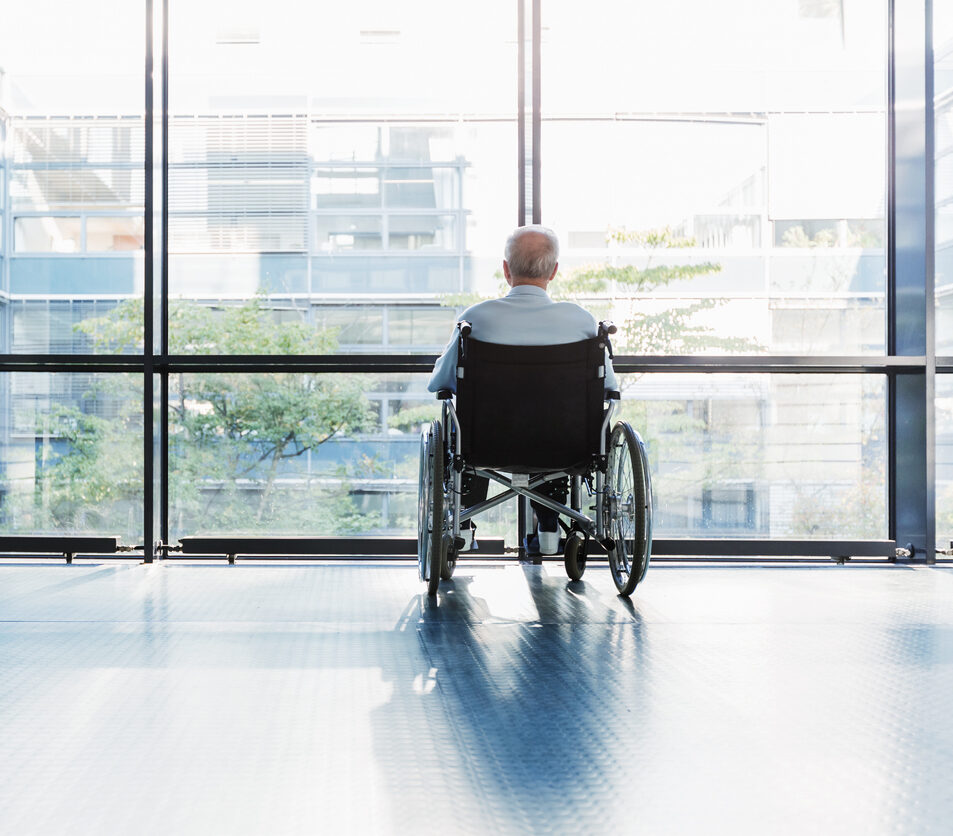
Nursing home abuse and neglect occur when a facility or its staff fail to provide adequate care, resulting in harm to a resident. This harm may be physical, emotional, or psychological, and it is often preventable.
Abuse can include intentional acts such as hitting, rough handling, verbal intimidation, or inappropriate restraint. It may also involve more serious misconduct, including sexual abuse. Neglect, on the other hand, typically involves failures in care — such as not providing enough food or water, ignoring medical needs, failing to prevent falls, or allowing infections and bedsores to develop.
Both abuse and neglect violate the duty nursing homes owe to their residents. Facilities are required to follow strict care standards and ensure a safe environment. When they fail in that responsibility, they can be held legally accountable.
How a Lawyer Helps Protect Your Loved One
A nursing home abuse lawyer plays a critical role in investigating and addressing these situations. This includes reviewing medical records, examining facility practices, and identifying whether care standards were violated.
A nursing home negligence attorney can also help secure immediate protections—such as facilitating a transfer to a safer environment — and guide your family through reporting the abuse to the appropriate Florida agencies.
Taking Action With the Right Legal Support
At Daily, Montfort & Toups, we represent Florida families dealing with nursing home abuse and neglect. We work to uncover the truth, explain your options clearly, and pursue accountability when a facility fails to protect someone in its care. Taking action not only helps your loved one but can also prevent similar harm to others.
The Process of Filing a Lawsuit
Filing a lawsuit for nursing home abuse or neglect can feel overwhelming, but understanding the process helps families take the next step with clarity. Each stage is designed to uncover the truth, preserve evidence, and pursue accountability for the harm caused.
Initial Consultation and Case Evaluation
The process typically begins with a consultation with a lawyer. During this meeting, you can explain what happened, share any documentation, and ask questions about your legal options.
The attorney will evaluate whether there are signs of abuse or neglect and determine if a claim may be viable. This early step also helps establish timelines, identify potential defendants, and outline what the legal process will involve.
Investigation and Evidence Gathering
Once representation begins, the lawyer conducts a detailed investigation. This includes gathering medical records, care plans, incident reports, and any available photographs or videos.
Attorneys may also interview witnesses, review staffing records, and examine the nursing home’s history of violations. In many cases, medical professionals or other qualified experts are consulted to assess whether the standard of care was breached and how that failure caused harm.
Filing the Lawsuit
Once sufficient evidence has been collected, the lawyer files a formal complaint with the court. This document outlines the allegations, identifies the responsible parties, and states the damages being sought.
The defendants — such as the nursing home or related entities—are then served and required to respond. This step officially begins the litigation process and preserves your claim under applicable law.
Discovery, Negotiation, and Trial Preparation
Both sides exchange information through a process known as discovery. This may involve written questions, document requests, and depositions.
During this phase, many cases move into settlement discussions. Your lawyer negotiates on your behalf, seeking a resolution that reflects the full extent of harm. If a fair agreement cannot be reached, the case proceeds toward trial.
Seeking Damages and Resolution
The lawsuit ultimately seeks compensation for the impact of the abuse or neglect. This may include medical expenses, pain and suffering, and, in some cases, punitive damages.
Whether resolved through settlement or trial, your attorney’s goal is to secure accountability, provide financial relief, and help your family move forward after a difficult and often preventable loss.
Preventing Nursing Home Neglect and Abuse
Nursing home residents are often vulnerable due to age, medical conditions, and reliance on caregivers for daily needs. That dependence makes it especially important for facilities—and families—to take active steps to prevent abuse and neglect before it occurs.
The Responsibility of Nursing Homes
Nursing homes have a legal and ethical duty to provide a safe, clean, and properly supervised environment. This includes hiring qualified staff, providing ongoing training, and maintaining adequate staffing levels to meet residents’ needs.
Facilities should also implement clear care plans, monitor residents for changes in health, and respond quickly to medical concerns. Preventing abuse is not just about reacting to problems—it requires consistent oversight, accountability, and adherence to established care standards.
The Role of Family Members
Family members play a crucial role in protecting their loved ones. Regular visits can help you notice subtle changes that may signal a problem, such as weight loss, withdrawal, unexplained injuries, or poor hygiene.
Ask questions, stay involved in care decisions, and communicate with staff. Building a presence in the facility can also serve as a deterrent, as staff are more likely to follow proper procedures when they know families are paying attention.
Recognizing and Reporting Concerns
If something feels wrong, trust your instincts. Early reporting can prevent further harm. Concerns can be raised with nursing home management, but if issues are not addressed, families should contact Florida Adult Protective Services or the Agency for Health Care Administration (AHCA).
In urgent situations, reaching out to medical providers or law enforcement may be necessary. Taking action not only protects your loved one but can also help prevent similar harm to other residents.
What to Look for in a Nursing Home Abuse Lawyer
Choosing the right nursing home abuse lawyer can shape the outcome of your case — and your experience throughout it. These cases involve complex medical issues, detailed regulations, and often strong resistance from facilities and insurers. Knowing what to look for helps you make a confident, informed decision.

Experience and Knowledge of Nursing Home Cases
Start with experience. You want a lawyer who has handled nursing home abuse and neglect claims and understands how these cases unfold. This includes familiarity with medical records, care standards, and common defense strategies used by facilities.
It is also important that the attorney understands elder care regulations and how state laws apply to nursing homes. In Florida, this includes knowledge of resident rights, reporting requirements, and how violations are documented and enforced. A lawyer who regularly works in this area will know where to look—and what to look for—when investigating your case.
Resources and Support Team
A single person rarely handles nursing home cases. Look for a firm with the resources to build a strong case from the ground up.
This often includes access to investigators, medical professionals, and other qualified experts who can review records and provide insight into what went wrong. A well-supported legal team can uncover patterns of neglect, identify systemic issues like understaffing, and connect those failures directly to the harm your loved one suffered.
Support staff also play a key role in keeping your case organized and moving forward. From gathering documents to coordinating communication, a strong team ensures nothing is overlooked.
Communication and Client-Focused Approach
You should feel comfortable asking questions and receiving clear, direct answers. A good lawyer explains the process in plain language and keeps you updated as your case progresses.
These cases are personal. Look for a legal team that treats your situation with care and attention, not as just another file. Consistent communication and accessibility can make a difficult process more manageable.
The Role of a Nursing Home Abuse Lawyer
A nursing home abuse lawyer does more than file paperwork. They investigate claims, gather evidence, and build a case that shows how the facility failed to meet its obligations.
This includes reviewing records, interviewing witnesses, and working with experts to establish how the abuse or neglect caused harm. Your lawyer also handles negotiations with the nursing home and its insurance company and, if necessary, represents you in court.
At Daily, Montfort & Toups, we bring together experience, resources, and a focused approach to help Florida families pursue accountability in nursing home abuse cases. Our team works to secure compensation for medical expenses, pain and suffering, and, in appropriate cases, punitive damages—while keeping your family informed every step of the way.
Recovering Damages for Nursing Home Abuse
When a nursing home fails to provide proper care, the consequences can be severe—both physically and emotionally. Families have the right to pursue compensation for the harm their loved one suffered. Understanding the types of damages available can help you see what a claim may cover and why these cases matter.
Medical Expenses and Related Costs
One of the most direct forms of compensation involves medical expenses. This includes the cost of hospital stays, medications, rehabilitation, and any additional care required due to the abuse or neglect.
In many cases, nursing home residents require increased treatment after an incident—such as care for fractures, infections, dehydration, or bedsores. These costs can add up quickly. A claim can seek to recover both past expenses and, where applicable, future medical needs tied to the injury.
Medical expense damages often extend beyond immediate treatment. Many residents need ongoing care after an injury, including physical therapy, wound care, specialized equipment, or even a transfer to a higher-level care facility. In more serious cases, complications from neglect—such as sepsis or untreated infections — can lead to extended hospitalizations and long-term medical needs.
Proper documentation is essential in establishing these damages. Billing records, physician reports, and treatment plans help show not only what care was required, but why it became necessary. This connection between the nursing home’s conduct and the resulting medical costs is a key part of any claim.
Future medical expenses may also be considered when injuries have lasting effects. These projections are often supported by medical professionals who can explain the expected course of treatment. Recovering these costs helps ensure families are not left carrying the financial burden of care that should have been properly provided in the first place.
Pain and Suffering
Nursing home abuse often causes more than just physical harm. Residents may experience significant pain, emotional distress, anxiety, or fear as a result of their treatment.
Compensation for pain and suffering is meant to address these intangible losses. While it cannot undo what happened, it acknowledges the real impact abuse has on a person’s well-being, dignity, and sense of safety.
In many cases, this type of harm builds over time, as in medical malpractice. A resident who is ignored, isolated, or treated harshly may develop depression, withdrawal, or a deep sense of helplessness. There may be medication errors by nursing home employees that affect their health. Others may experience ongoing physical discomfort from untreated injuries, infections, or bedsores, which can significantly diminish their quality of life.
Pain and suffering damages also take into account the emotional toll of losing trust in caregivers. For many residents, the nursing home is supposed to be a place of support and security. When that environment becomes a source of harm, the psychological impact can be profound.
Courts and insurance companies consider several factors when evaluating these damages, including the severity and duration of the abuse, the resident’s level of awareness, and the harm’s impact on their daily life. Testimony from family members, medical providers, and other witnesses can help illustrate these effects.
Although these losses are not easily measured, they are critical to holding nursing homes accountable and recognizing the full extent of the harm caused.
Loss of Quality of Life
Abuse and neglect can permanently affect a resident’s quality of life. A once-independent individual may become withdrawn, depressed, or unable to participate in activities they previously enjoyed.
Damages for loss of enjoyment of life focus on these changes. They reflect how the abuse altered your loved one’s daily experience — whether through physical limitations, emotional trauma, or a loss of independence.
In many cases, this loss is gradual but profound. A resident who once socialized, read, or engaged in simple routines may begin to isolate or lose interest entirely. Physical injuries can make even basic movements painful or difficult, limiting mobility and independence. Emotional harm can further compound these effects, leading to fear, confusion, or a loss of confidence.
These damages also consider how the resident’s overall well-being has been diminished. The ability to enjoy time with family, participate in activities, or maintain a sense of dignity may be significantly reduced. For families, this change is often one of the most difficult aspects to witness.
Evidence supporting these claims may include medical evaluations, caregiver notes, and observations from family members who can describe the before-and-after impact. While these losses are not easily measured, they are a meaningful part of understanding the full scope of harm caused by nursing home abuse and neglect.
Punitive Damages in Serious Cases
In cases involving especially egregious conduct, punitive damages may be available. These are not tied directly to financial loss. Instead, they are intended to punish the nursing home for particularly harmful behavior and discourage similar conduct in the future.
Punitive damages may apply where there is evidence of gross negligence, intentional misconduct, or a pattern of repeated violations. While not awarded in every case, they can play an important role in holding facilities accountable.
Why Documentation and Elder Abuse Attorneys Matter
Recovering damages requires strong evidence. Medical records, photographs, witness statements, and expert opinions all help demonstrate the extent of harm and its impact.
Working with a legal team ensures these damages are properly evaluated and pursued. Each case is unique, and a careful approach is essential to capture both the financial and personal losses involved fully.

Building a Case That Holds Up
Documentation does more than show that harm occurred — it helps explain how and why it happened. Patterns in records, gaps in care, or inconsistencies in reporting can reveal neglect that might otherwise go unnoticed. Timely documentation is especially important, as evidence can be lost or altered over time.
A nursing home physical abuse attorney helps gather and properly preserve this evidence. This may include obtaining internal facility records, coordinating with medical professionals, and organizing materials to support your claim clearly. The goal is to present a complete and accurate picture of what your loved one experienced that affected their physical and mental health.
The Value of Experienced Legal Guidance
Elder abuse cases involve both legal and medical complexities. A suspect nursing home abuse lawyer understands how to connect the evidence to the applicable standards of care and demonstrate where those standards were not met. You could be entitled to compensation if your attorney can prove emotional abuse, financial abuse, or psychological harm.
At Daily, Montfort & Toups, we work with Florida families to investigate nursing home abuse and build cases grounded in strong evidence. Our team focuses on identifying what went wrong, preserving key documentation, and pursuing compensation that reflects the full impact of the harm — so your family can move forward with answers and accountability. We offer free consultations.