

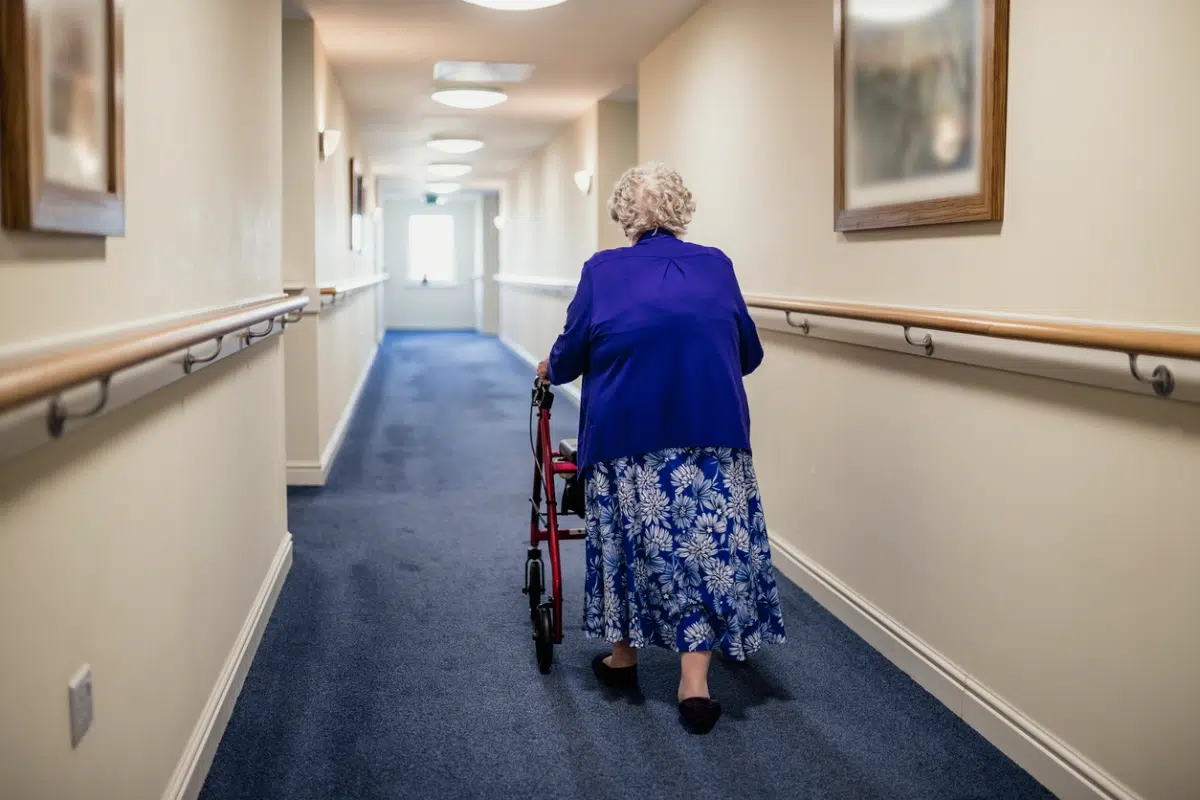


Nursing home abuse is a growing concern across Florida, affecting vulnerable residents in both nursing homes and assisted living facilities. Families trust these facilities to provide safe, attentive care—but when that trust is broken, the consequences can be devastating.
Under Florida law and federal long-term care regulations, abuse includes any action—or failure to act—that causes harm to a resident. This can come in many forms, including physical abuse, emotional mistreatment, neglect, sexual abuse, and financial exploitation.
Neglect is especially common and often involves missed care, poor supervision, or failure to address medical needs. Even when harm is unintentional, facilities can still be held responsible if standards of care are not met.
Nursing home abuse cases are complex. Florida negligence laws, federal regulations, and strict procedural requirements all play a role in how a claim is handled.
Working with a nursing home abuse lawyer ensures that evidence is preserved, deadlines are met, and the case is presented effectively. Most firms also offer a free consultation, giving families a clear starting point when abuse is suspected.
Taking action may feel overwhelming — but it is often the most important step in protecting your loved one and pursuing justice.
Civil claims allow families to recover compensation for medical expenses, pain and suffering, emotional distress, and, in tragic cases, wrongful death. These claims also serve a broader purpose—holding facilities accountable and helping prevent similar harm to other residents. A lawsuit can expose patterns of understaffing, poor training, or repeated violations that might otherwise go unaddressed.
A Florida nursing home abuse attorney helps families uncover what happened and determine who is responsible. This process involves reviewing medical records, facility reports, and witness statements to build a clear picture of the harm.
Elder abuse attorneys also identify all liable parties, which may include the facility, corporate owners, staff members, or third-party providers. At Daily, Montfort & Toups, we focus on building strong, evidence-based claims that reflect the full impact of abuse or neglect.
Common Florida Nursing Home Abuse Injuries
Injuries in nursing homes are often the first clear sign that something is wrong. While some incidents may be unavoidable, many injuries result from neglect, poor supervision, or unsafe conditions within the facility.
Typical Injuries in Abuse Cases
Certain injuries appear repeatedly in Florida nursing home abuse cases. These include fractures—especially hip fractures—unexplained bruising, and head injuries from falls.
Bedsores (pressure ulcers) are another major warning sign. They often develop when residents are left in the same position for too long without proper care. Infections, dehydration, and sudden declines in health can also point to inadequate monitoring or delayed treatment.
Chronic Harm from Ongoing Neglect
When neglect continues over time, injuries can become severe and life-threatening. Malnutrition and dehydration weaken the body, making residents more vulnerable to illness.
Untreated pressure ulcers can worsen into deep wounds, sometimes leading to sepsis—a dangerous, systemic infection. These conditions rarely develop overnight and often reflect prolonged failures in care.
When Injuries Are Not Accidental
Not all injuries are accidents. Patterns matter. Repeated falls, similar bruising, or injuries that do not align with the facility’s explanation may indicate underlying issues.
Understaffing, lack of supervision, and poor training often contribute to preventable harm. In some cases, injuries may result from rough handling or intentional misconduct. A closer look at the circumstances is essential.
Neglect in Florida Nursing Homes
Neglect is one of the most common — and most overlooked — forms of mistreatment in nursing homes. While it may not involve intentional harm, it still violates Florida law and can lead to serious injury or death. When neglect is suspected, time is critical. Prompt investigation helps preserve evidence, identify responsible parties, and protect your loved one from further harm. Acting quickly not only strengthens a potential legal claim — it can also stop ongoing abuse and ensure the facility is held accountable.
How Neglect Differs from Abuse
Abuse typically involves deliberate actions, such as physical harm or emotional mistreatment. Neglect, by contrast, is a failure to provide necessary care. This can include ignoring a resident’s basic needs, delaying medical attention, or failing to supervise vulnerable individuals. Even without intent, neglect is a violation of both Florida nursing home abuse law and federal care standards.
Common Forms of Neglect
Neglect can take many forms within a facility. Residents may not receive assistance with bathing, eating, or mobility. Medications may be missed, given incorrectly, or not monitored properly.
Unsafe living conditions — such as cluttered rooms, fall hazards, or lack of supervision—can also place residents at risk. Inadequate medical monitoring often leads to preventable complications, including infections or worsening chronic conditions.
Legal Responsibilities of Nursing Homes
Skilled nursing facilities are legally required to provide adequate care under both federal and Florida regulations. This includes maintaining adequate staffing levels, developing individualized care plans, and ensuring that residents receive appropriate medical attention. Facilities that fail to meet these obligations can be held accountable for the harm caused.
Proving Neglect in a Legal Claim
A Florida nursing home abuse attorney builds a neglect case using detailed evidence. Staffing records can reveal chronic understaffing, while care logs may show missed treatments or inconsistent monitoring.
Inspection reports and regulatory violations often strengthen these claims. By connecting these failures to a resident’s injuries, an attorney can demonstrate that the harm was preventable—and that the facility is responsible.
Signs and Symptoms of Nursing Home Abuse
Recognizing the early signs of abuse or neglect can protect your loved one and prevent further harm. Many cases begin with subtle changes that, if ignored, become more serious over time.
Physical Warning Signs
Unexplained bruises, cuts, or fractures are often the first red flags. Pay attention to marks on wrists or ankles that may indicate improper restraints. Frequent infections, bedsores, or sudden hospitalizations can also suggest poor care or neglect.
If injuries recur or the staff cannot provide a clear explanation, this may indicate a deeper problem.
Behavioral and Emotional Changes
A noticeable shift in behavior can be just as telling as physical injuries. Residents who were once social may become withdrawn, anxious, or unusually quiet.
Fear around certain staff members is especially concerning. Your loved one may hesitate to speak openly, avoid eye contact, or show signs of depression. These changes often point to emotional or psychological abuse.
Signs of Financial Exploitation
Financial abuse is often overlooked but can be just as damaging. Watch for unexplained withdrawals, sudden changes to bank accounts, or missing personal belongings.
Unauthorized purchases or new “friends” influencing financial decisions may also signal exploitation by staff or others within the facility.
Acting quickly can make a critical difference. Reporting suspected abuse helps remove your loved one from harm and creates a record of concerns. Early documentation photos, medical evaluations, and written observations can also strengthen a future Florida nursing home abuse claim. The sooner issues are addressed, the easier it is to establish what happened and hold the responsible parties accountable.
How to File a Nursing Home Abuse Claim
Filing a nursing home abuse claim in Florida begins with quick, careful action. What you do in the early stages can directly impact the strength of your case and your loved one’s safety.
Start by documenting everything. Take clear photos of injuries, unsafe conditions, or signs of neglect. Write down dates, times, and anything your loved one says about their care.
Seek medical attention right away. A physician can evaluate injuries, identify underlying issues like dehydration or infections, and create records that may later serve as key evidence.
Filing a Florida Nursing Home Abuse Lawsuit
If evidence supports a claim, your attorney can file a lawsuit against the responsible parties. This may include the nursing home, corporate ownership groups, or specific staff members whose actions or inaction caused harm. Florida law sets specific procedural requirements, so careful preparation is essential before filing.
After filing, the case moves through several stages. Both sides exchange information, investigate facts, and attempt to resolve the case through negotiation or settlement discussions. If a fair resolution cannot be reached, the case may proceed to trial, where evidence is presented before a judge or jury.
Nursing home abuse cases are rarely straightforward. Facilities often deny responsibility or shift blame. Working with a lawyer helps ensure evidence is preserved, deadlines are met, and your claim reflects the full extent of harm. A well-prepared case not only improves the chance of compensation it also helps hold negligent facilities accountable.
Nursing Home Compensation
When a nursing home fails to provide proper care, the harm can be serious—and the law allows families to pursue compensation. A civil claim focuses on holding the facility accountable and recovering damages tied to what your loved one experienced.
Types of Compensation Available
Compensation in nursing home abuse cases is designed to address both financial losses and human impact. This may include medical expenses such as hospital stays, medications, rehabilitation, and ongoing care.
Non-economic damages are often significant. These include pain and suffering, emotional trauma, loss of dignity, and reduced quality of life. In cases involving extreme negligence or intentional misconduct, courts may also award punitive damages to punish wrongdoing and deter similar conduct.
Wrongful Death Damages in Florida
If abuse or neglect leads to death, Florida law allows surviving family members to pursue a wrongful death claim. Damages may include funeral and burial expenses, loss of companionship, emotional suffering, and the value of support the deceased would have provided.
These claims are especially important in cases where a preventable injury — such as a fall, infection, or untreated condition results in a tragic outcome.
How Claim Value Is Determined
The value of a nursing home abuse case depends on several factors. Attorneys evaluate the severity of injuries, the level of pain or decline experienced, and whether the harm caused lasting disability or death.
They also examine the facility’s conduct. Patterns of understaffing, ignored complaints, poor training, or repeated violations can significantly increase the value of a claim. Strong documentation — medical records, photos, and expert opinions plays a key role in this process.
Who Can Be Held Liable
Liability may extend beyond a single caregiver. Nursing homes, corporate owners, management companies, staff members, and even third-party contractors can all be held responsible depending on the circumstances. For example, a facility may be liable for negligent hiring or supervision, while a medical provider or contractor could be responsible for treatment errors.
Pursuing Maximum Compensation
A nursing home abuse law firm works to build a clear, evidence-backed case. This includes investigating the incident, identifying all responsible parties, and calculating the full scope of damages.
From there, attorneys negotiate with insurers or pursue litigation when necessary. The goal is not just a quick resolution—but full and fair compensation that reflects what your loved one endured.
Your Rights Under Florida & Federal Nursing Home Laws
Federal and Florida laws are clear: nursing home residents are entitled to safe, respectful, and attentive care. The Nursing Home Reform Act establishes baseline protections nationwide, while Florida law expands on those rights with specific standards for care, supervision, and accountability.
Residents have the right to live free from abuse, neglect, and exploitation. This includes protection from physical harm, emotional mistreatment, and improper use of restraints, whether physical or chemical. Facilities must provide appropriate medical care, maintain hygiene, and support each resident’s physical and mental well-being.
Dignity is not optional. Residents have the right to make choices about their daily lives, interact with others, and be treated with respect at all times.
Reporting Abuse and Taking Action
If you suspect abuse, Florida provides clear reporting channels. You can contact the Florida Department of Children and Families (DCF) through the statewide abuse hotline or file a complaint with the Agency for Health Care Administration (AHCA), which regulates nursing homes.
Acting quickly matters. Reporting concerns not only protects your loved one but can also prevent harm to others in the same facility.
What Nursing Homes Are Required to Do
Facilities must maintain adequate staffing levels, properly train employees, and create individualized care plans for each resident. They are responsible for monitoring health conditions, preventing avoidable injuries, and maintaining a safe, clean environment. When these responsibilities are ignored, the consequences can be serious—and often preventable.
How Legal Guidance Helps Protect Your Family
Understanding your rights is one step. Enforcing them is another. At Daily, Montfort & Toups, we help families uncover what went wrong, gather evidence, and hold facilities accountable when they fail to meet legal standards. If something feels off, trust that instinct. Your loved one has rights — and you can take action to protect them.